
If there’s one space that consistently challenges homeowners, it’s the bedroom—especially when square footage is tight. I’ve worked on everything from New York studio apartments to compact suburban homes, and the truth is: decorating a small bedroom isn’t about sacrificing style—it’s about being intentional.
A well-designed small bedroom can feel calm, functional, and even spacious. The key is understanding how each decision affects the room visually and physically.
Let’s walk through it step by step, like I would if we were standing in your room together.
Start With the Reality: Understanding Your Small Bedroom Size
Before you move a single piece of furniture, you need to understand what you’re working with.
A typical small bedroom size in many U.S. homes is around 9×10 feet or even smaller. A very small bedroom might be closer to 8×8 or have awkward layouts (like slanted ceilings or off-center windows).
Why this matters:
Every design decision—bed size, storage, lighting—depends on the room’s proportions.
What I recommend:
- Measure wall-to-wall (don’t guess)
- Note door swing and window placement
- Identify any “dead zones” (corners, under windows)
In many homes I’ve worked with, people try to decorate first and plan later—and that always leads to frustration.
Step 1: Build a Smart Small Bedroom Layout
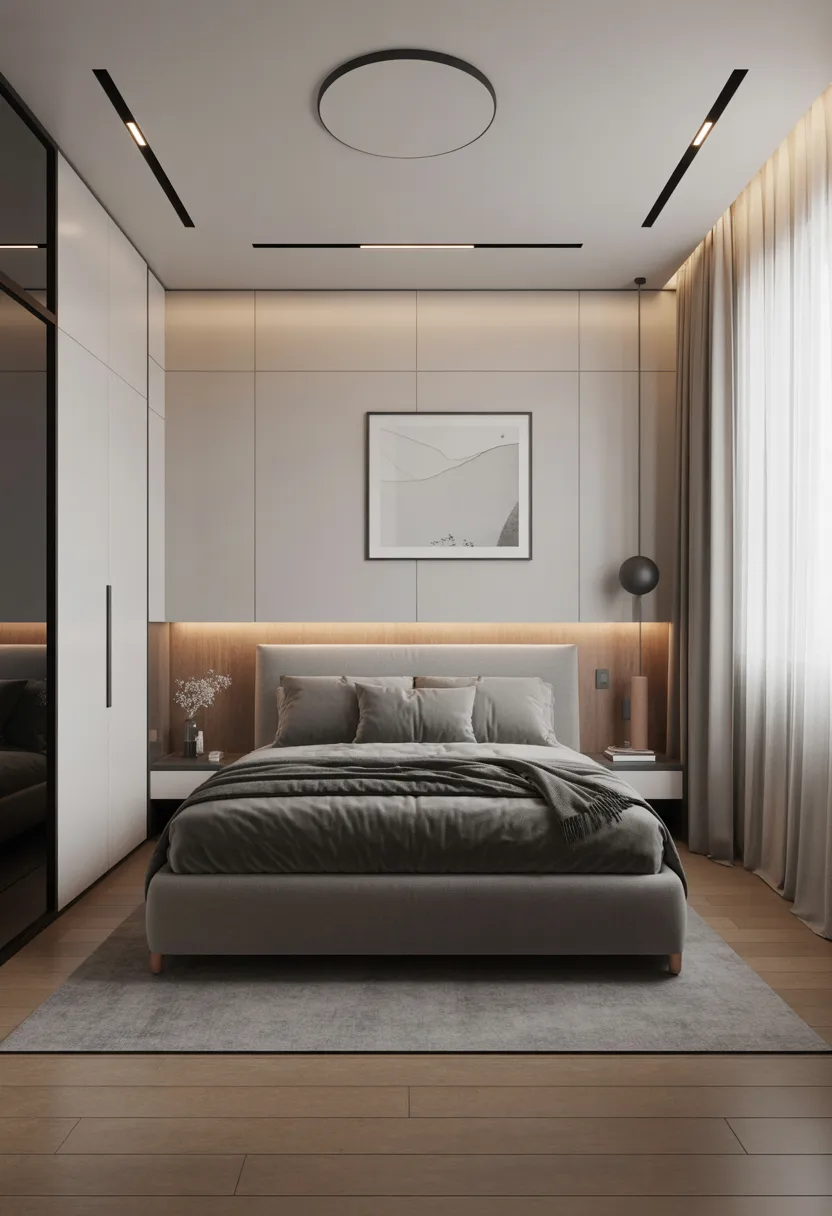
Your small bedroom layout is the foundation of everything.
The Goal:
Create clear movement paths while maximizing function.
The Most Effective Layout Strategy
1. Anchor the Bed First
- Place the bed on the longest wall when possible
- Avoid blocking windows unless absolutely necessary
- Leave at least 24 inches of walking space on one side (minimum)
2. Use One Side Instead of Two
In very small rooms:
- Push the bed against one wall
- Use only one nightstand
👉 This frees up floor space and makes the room feel less cramped.
3. Think Vertically, Not Horizontally
Instead of wide furniture:
- Use tall dressers
- Install wall-mounted shelves
Real Example:
In a Brooklyn apartment I worked on, we placed a full bed against the wall, added a narrow floating nightstand, and used vertical shelving. The room instantly felt twice as functional.
Step 2: Choose the Right Bed (It Matters More Than You Think)
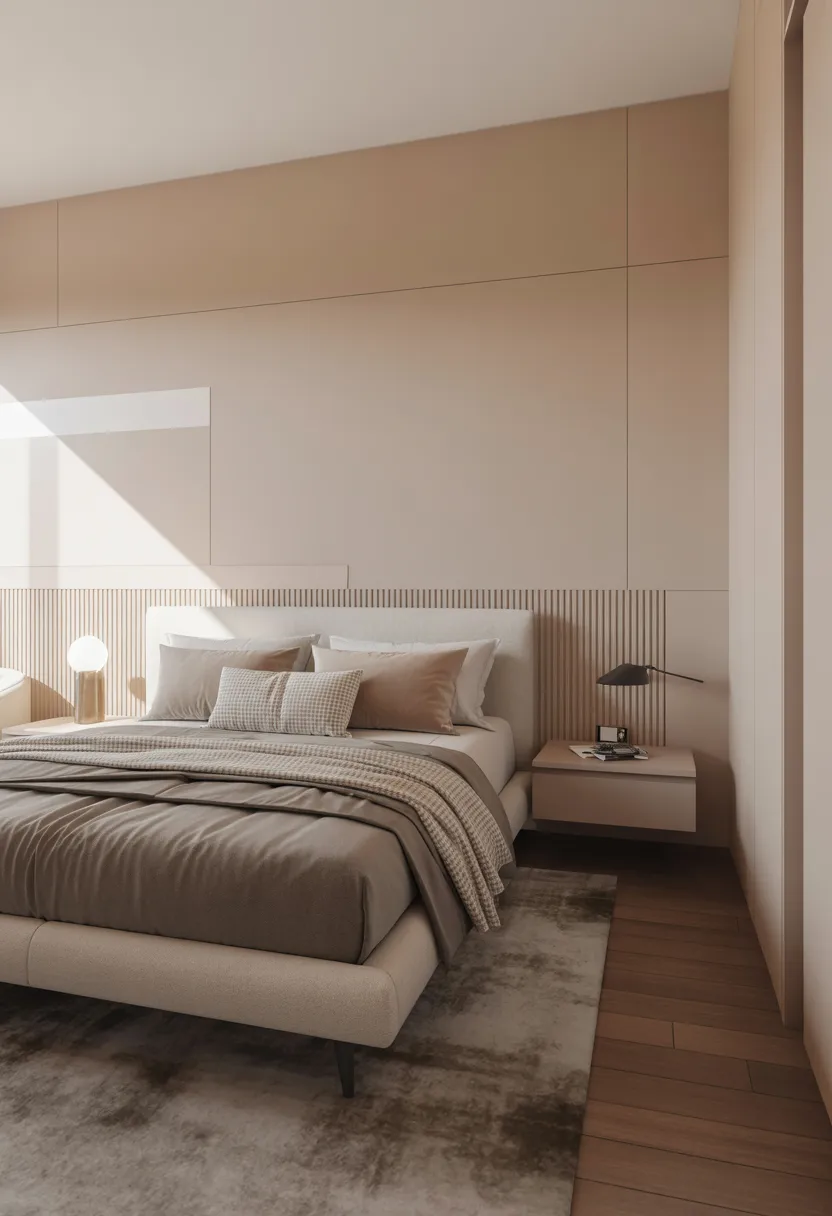
The bed is the largest piece in the room, so it defines everything.
Best Bed Options for Small Bedrooms:
- Platform beds (no bulky box spring)
- Storage beds with drawers underneath
- Wall beds (Murphy beds) for extreme space-saving
What to Avoid:
- Oversized headboards
- Bulky frames with thick legs
- Beds that sit too low (they visually compress the room)
Why This Works:
A lighter, simpler bed frame keeps visual clutter down and allows your eye to move freely around the room—which makes the space feel larger.
Step 3: Make Small Bedroom Walls Work for You
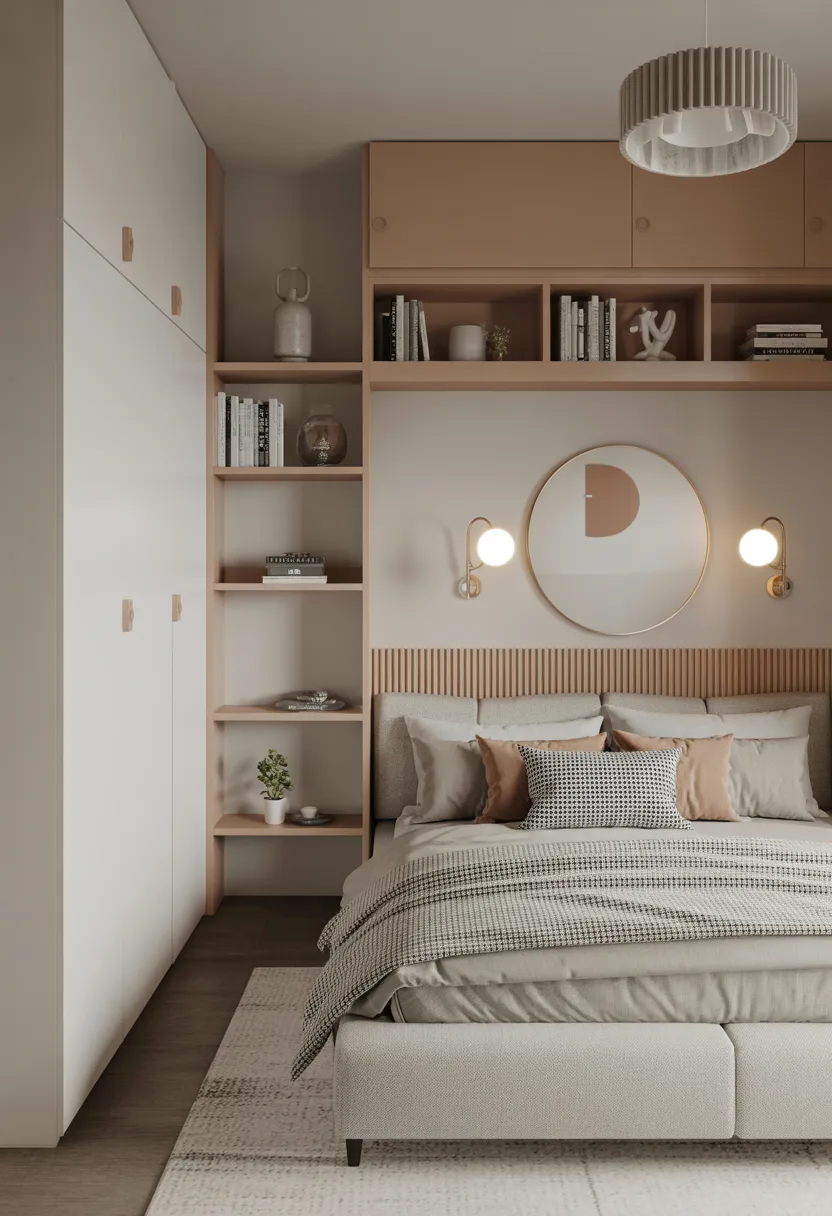
Your small bedroom walls are not just for decoration—they’re storage, lighting, and design tools.
Use Vertical Space Strategically
1. Floating Shelves
- Install above nightstands or desks
- Use for books, plants, or decor
2. Wall-Mounted Lighting
- Replace table lamps with sconces
- Frees up valuable surface space
3. Tall Curtains
Hang curtains:
- Close to the ceiling
- Wider than the window
👉 This visually stretches the room.
One Mistake I Often See:
People leave walls empty because they’re afraid of clutter—but bare walls can make a room feel smaller and unfinished. The trick is intentional placement, not avoidance.
Step 4: Use Color to Expand the Space
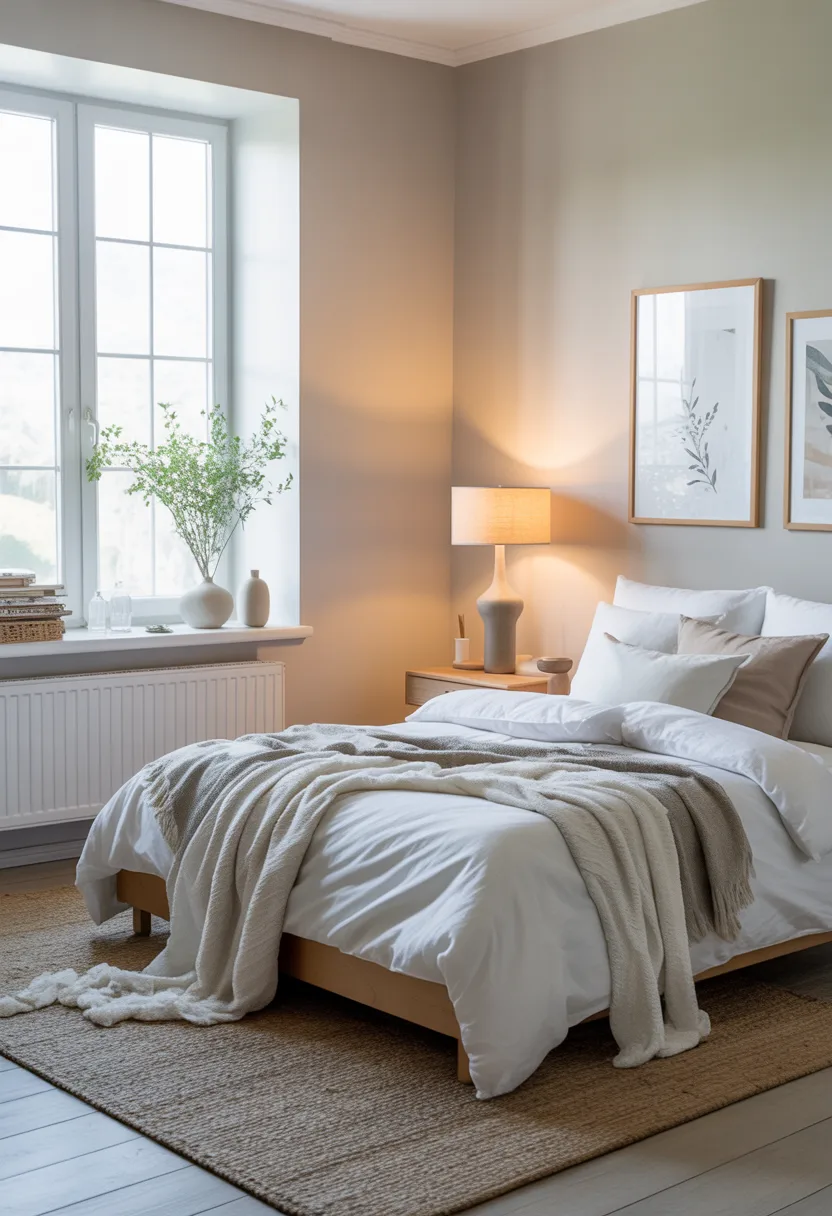
Color is one of the most powerful tools in small bedroom design.
Best Color Strategies:
1. Light, Soft Neutrals
- Warm white
- Soft gray
- Pale beige
These reflect light and open up the room.
2. Monochromatic Schemes
Use variations of the same color:
- Walls, bedding, and decor in similar tones
👉 This reduces visual breaks and makes the room feel cohesive.
3. Accent Walls (Used Carefully)
A darker wall behind the bed can:
- Add depth
- Make the room feel longer
What to Avoid:
- High contrast color schemes
- Too many competing colors
Step 5: Furniture That Actually Fits the Space
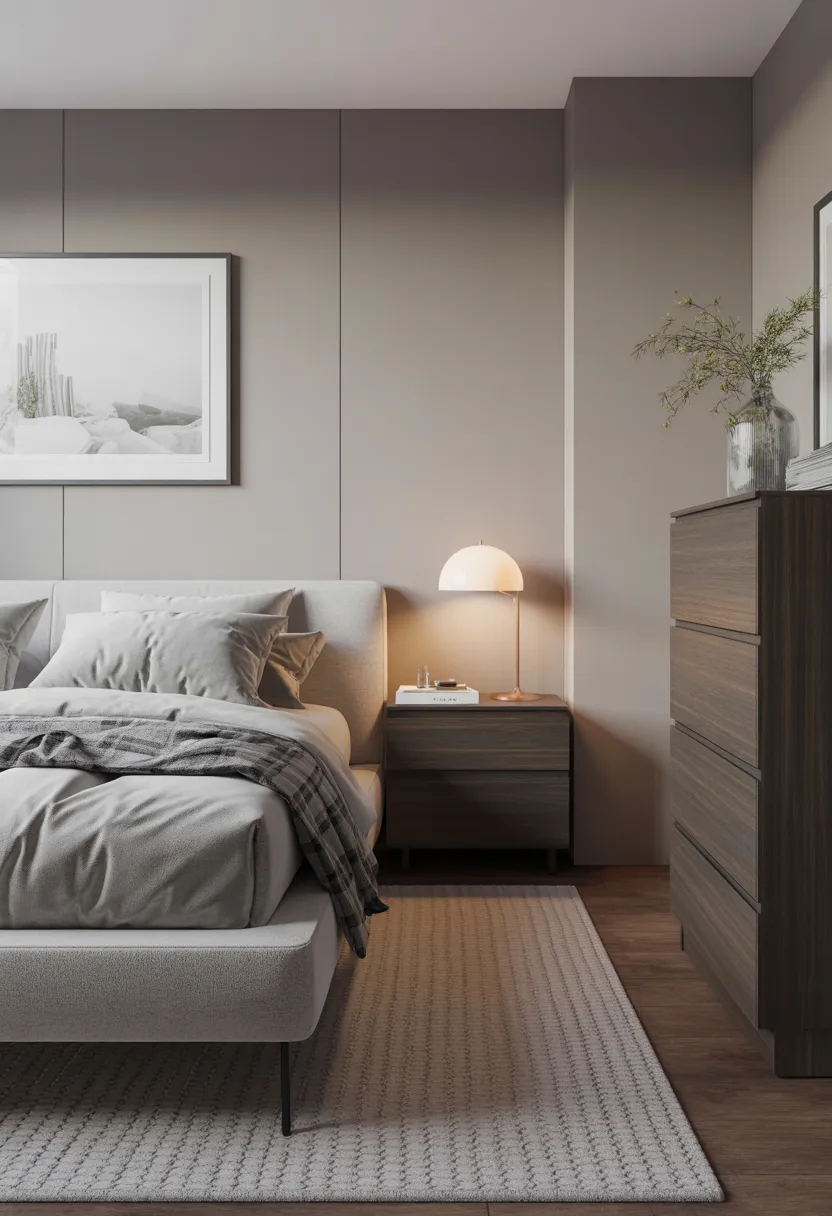
When it comes to small bedroom ideas, furniture selection is where most people go wrong.
Rules I Always Follow:
1. Scale Matters
- Choose narrow nightstands (12–18 inches wide)
- Use slim-profile dressers
2. Multi-Functional Pieces
- Storage ottomans
- Beds with drawers
- Fold-down desks
3. Keep It Minimal
Less furniture = more breathing room
Real Example:
In a small guest bedroom, we replaced a bulky dresser with a tall, narrow unit and added under-bed storage. The floor space nearly doubled.
Step 6: Lighting That Makes the Room Feel Bigger
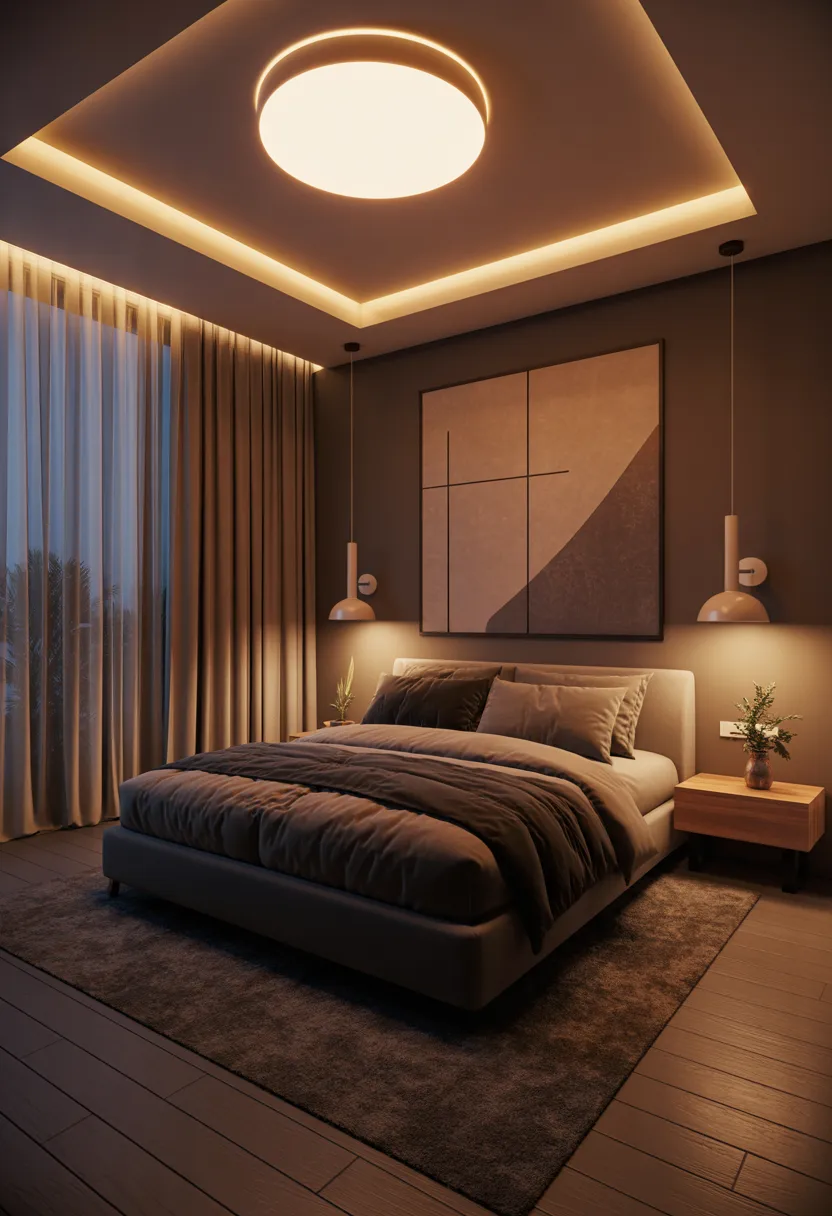
Lighting is often overlooked—but it’s critical.
Layer Your Lighting:
1. Ambient Lighting
- Ceiling light or flush mount
2. Task Lighting
- Bedside sconces or reading lights
3. Accent Lighting
- LED strips behind headboards
- Small lamps on shelves
Why It Works:
Multiple light sources reduce shadows and make the room feel more open.
Pro Insight:
Warm lighting (2700K–3000K) makes small bedrooms feel cozy without closing them in.
Step 7: Mirrors—Your Secret Weapon
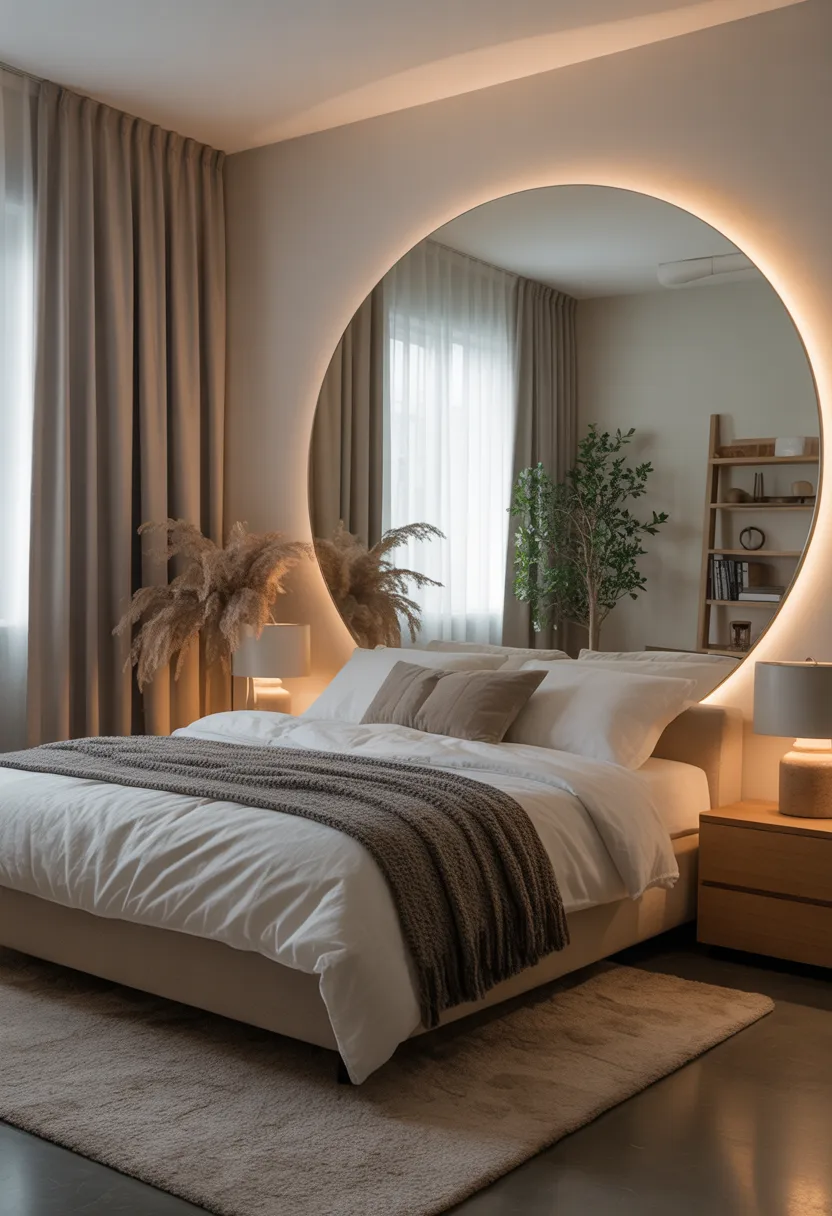
If I had to pick one trick for a very small bedroom, it’s mirrors.
Best Uses:
- Full-length mirror on a wall
- Mirror opposite a window
- Mirrored closet doors
Why It Works:
Mirrors reflect light and create the illusion of depth.
Step 8: Declutter Like a Designer
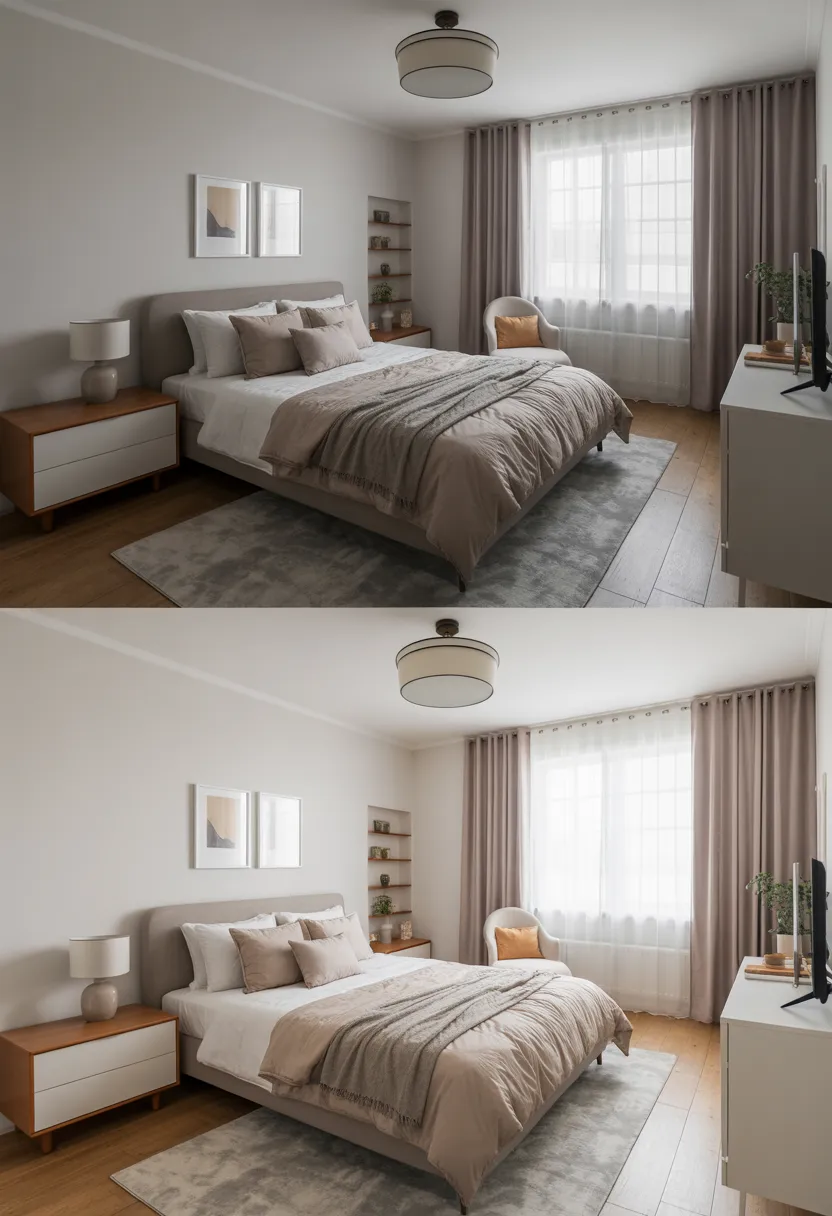
No amount of decorating can fix clutter.
My Rule:
If you don’t use it weekly, it shouldn’t live in your bedroom.
Smart Storage Ideas:
- Under-bed bins
- Over-the-door organizers
- Hidden storage benches
Common Mistakes People Make
Let’s be honest—these are things I see all the time:
1. Using Oversized Furniture
It overwhelms the room instantly.
2. Ignoring Layout Flow
Furniture placed randomly = cramped movement.
3. Too Many Decor Items
Small rooms need restraint.
4. Poor Lighting
One overhead light isn’t enough.
5. Dark, Heavy Colors Everywhere
They shrink the space visually.
6. Blocking Natural Light
Heavy curtains or furniture placement can ruin the room.
Budget-Friendly Decorating Tips
You don’t need a big budget to transform a small bedroom.
Easy, Affordable Wins:
1. Paint the Walls
A fresh light color can completely change the space.
2. Swap Out Hardware
Update knobs and handles on furniture.
3. Use Peel-and-Stick Wallpaper
Great for accent walls without commitment.
4. Rearrange Before Buying
You’d be surprised how much layout alone can improve things.
5. Add Mirrors from Thrift Stores
A designer trick on a budget.
Pro Designer Tips (What We Do Behind the Scenes)
These are the small details that make a big difference:
1. Keep Visual Weight Low
Choose furniture with exposed legs—it makes the room feel lighter.
2. Use Rugs to Define Space
Even in a small bedroom, a properly sized rug adds structure.
3. Limit Patterns
Too many patterns = visual chaos.
4. Create a Focal Point
Usually the bed—keep it clean and styled.
5. Think in Layers
Bedding, lighting, and textures should work together—not compete.
Small Bedroom Ideas That Always Work
If you’re looking for quick inspiration:
- Floating nightstands
- Wall-mounted desks
- Neutral color palette with texture
- Minimalist bedding
- Built-in storage where possible
FAQ: Decorating a Small Bedroom
1. What is the best bed size for a small bedroom?
A full-size bed is often ideal. A queen can work, but only if the layout allows for movement space.
2. How can I make a very small bedroom look bigger?
Use light colors, mirrors, vertical storage, and keep furniture minimal.
3. Can I use dark colors in a small bedroom?
Yes—but limit them to one wall or accents to avoid shrinking the space.
4. How do I fit storage into a small bedroom?
Use under-bed storage, vertical shelving, and multi-functional furniture.
5. Should I use curtains or blinds?
Curtains hung high and wide are best—they visually expand the room.
Final Thoughts
Decorating a small bedroom isn’t about limitation—it’s about clarity. Every piece should have a purpose, every inch should work for you, and the room should feel calm, not crowded.
In many homes I’ve worked with, the biggest transformation didn’t come from buying more—it came from editing down and rethinking the layout.
If you approach your small bedroom with intention, you’ll end up with a space that feels not just bigger—but better.
