
Designing a small bathroom can feel frustrating—especially when every inch matters and nothing seems to fit the way you want. In many small homes and apartments I’ve worked with, clients often assumed the only solution was expanding the space.
But the truth is, you don’t need more square footage. You just need a smarter approach.
When you design a small bathroom with the right layout, lighting, and materials, you can completely change how the space feels. A cramped bathroom can become open, functional, and even relaxing.
Let’s walk through exactly how to do it.
Why It’s Important to Design a Small Bathroom the Right Way
A well-planned bathroom doesn’t just look better—it works better.
One mistake I often see is people focusing only on decoration. Nice tiles, trendy fixtures… but the layout doesn’t function. And when the layout is wrong, the space always feels smaller than it actually is.
Good design fixes that.
Start With Layout: The Foundation of Every Small Bathroom

Before you think about colors or decor, focus on how the space is arranged.
Keep the Floor as Open as Possible
When you design a small bathroom, visible floor space is everything.
Instead of bulky fixtures, go for:
- Wall-mounted sinks
- Floating vanities
- Compact toilets
Why this works:
The more floor you can see, the more open the room feels.
Choose the Right Shower Design
The shower takes up a large portion of your bathroom, so it needs to be handled carefully.
Best options:
- Walk-in shower with glass panel
- Frameless glass enclosure
- Corner shower units
Avoid:
- Thick curtains
- Heavy frames
Why this works:
Glass keeps the space visually connected instead of dividing it.
Improve Movement Flow
A smart layout allows you to move easily.
If space is tight:
- Consider a sliding door
- Avoid blocking walkways
In many homes I’ve worked with, just changing door placement made the bathroom feel significantly larger.
Use Color to Make Your Bathroom Feel Bigger
Color has a huge impact on how a space feels.
Stick to Light, Neutral Tones
Best choices:
- White
- Soft gray
- Beige
Why this works:
Light colors reflect light and open up the room.
Keep the Palette Simple
Avoid too many contrasting colors.
Instead:
- Stick to 2–3 tones max
Why this works:
Too many color breaks make the space feel smaller.
Use Continuous Tile Design
Using the same tile across:
- Floors
- Shower walls
Creates a seamless look.
Why this works:
It removes visual boundaries and makes the room feel larger.
Lighting: The Most Underrated Upgrade

Lighting can completely change your bathroom.
Use Layered Lighting
Instead of one light, use:
- Ceiling lighting
- Mirror lighting
- Accent lighting
Why this works:
Multiple light sources eliminate shadows and add depth.
Add a Backlit Mirror
This is one of my favorite upgrades in small bathrooms.
Why this works:
- Adds a soft glow
- Creates depth
- Makes the wall feel farther away
Use Mirrors to Expand the Space

When you design a small bathroom, mirrors are your best friend.
Go Bigger Than You Think
- Use a large mirror above the sink
- Consider a full-width mirror
Why this works:
Mirrors reflect light and create the illusion of more space.
Avoid Small Decorative Mirrors
They don’t help visually expand the room.
Smart Storage That Doesn’t Add Clutter
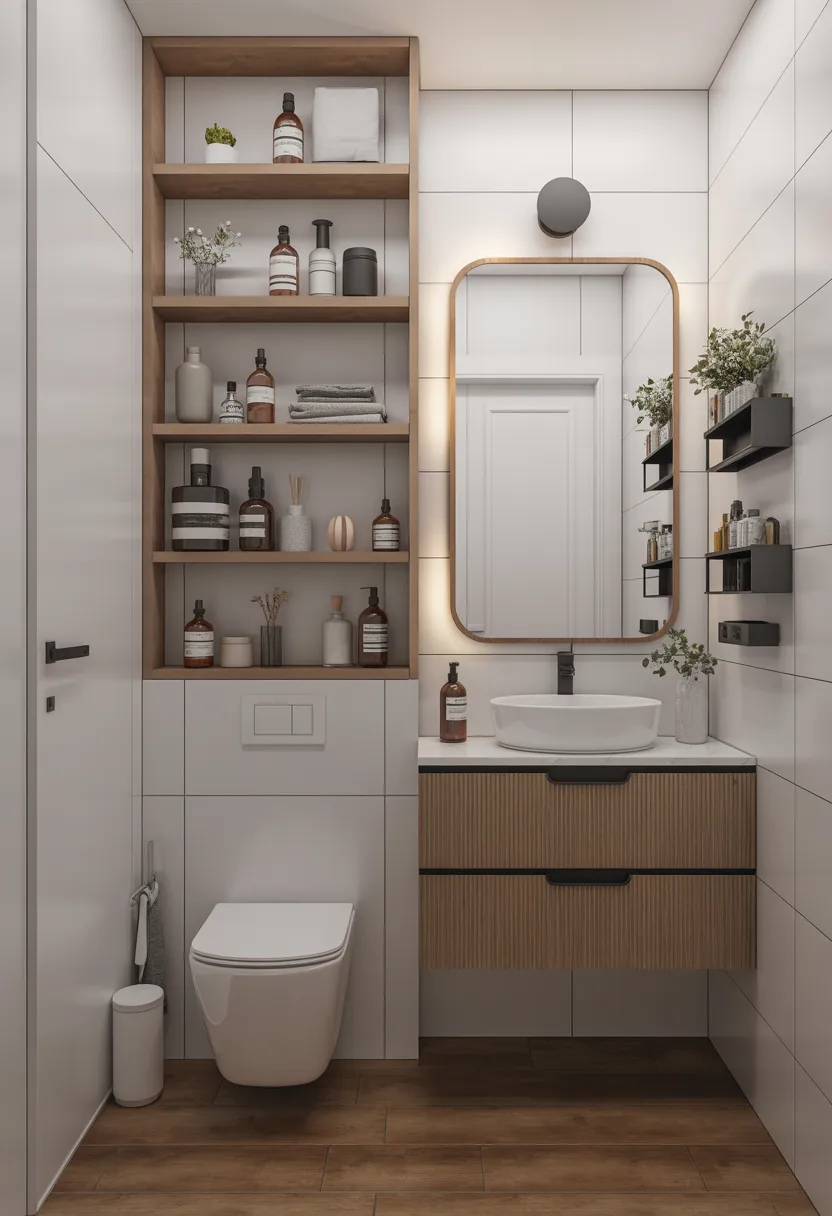
Storage is important—but too much visible storage creates clutter.
Use Vertical Space
Install:
- Floating shelves
- Tall cabinets
Why this works:
You’re using height instead of crowding the floor.
Add Hidden Storage
- Vanity drawers
- Shower niches
Why this works:
Keeps the space clean and uncluttered.
Keep Surfaces Clear
In many bathrooms I’ve worked on, simply removing extra items made a huge difference.
Choose the Right Fixtures
Go Compact
Look for:
- Slim sinks
- Narrow vanities
- Space-saving toilets
Why this works:
Oversized fixtures overwhelm small spaces.
Use Floating Fixtures
Floating vanities are one of the best choices when you design a small bathroom.
Why this works:
- Opens up floor space
- Makes cleaning easier
- Feels modern
Very Small Bathroom Ideas That Actually Work
If your bathroom is extremely small, focus on these:
- Use glass instead of curtains
- Install a large mirror
- Use large tiles
- Keep decor minimal
Why this works:
Less visual clutter = more space.
Budget-Friendly Ways to Improve Your Bathroom
You don’t need a full renovation.
Simple upgrades:
- Replace your mirror
- Improve lighting
- Paint walls a lighter color
- Declutter
In many homes I’ve worked with, these small changes made a bigger impact than expensive remodels.
Common Mistakes People Make
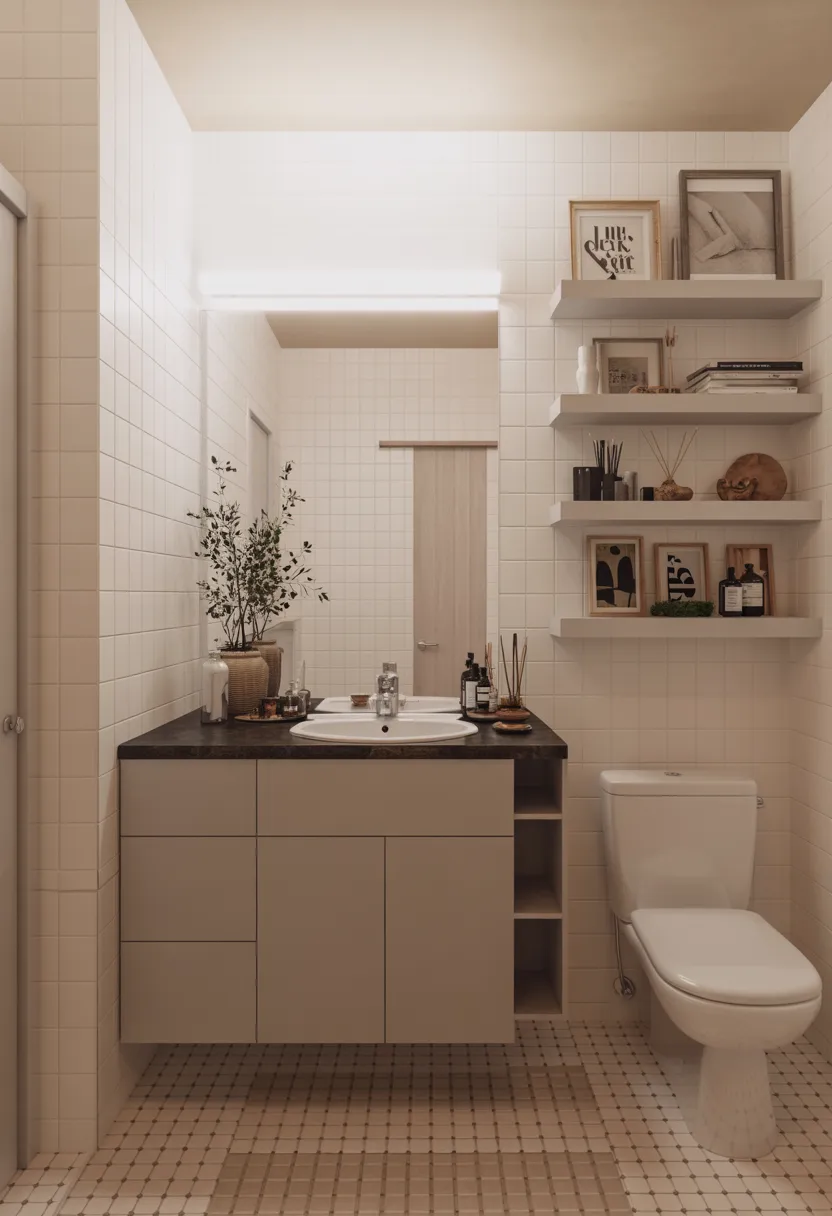
1. Using Too Many Colors
Makes the space feel busy and small.
2. Blocking Light
Dark areas shrink the room visually.
3. Overdecorating
Too many items create clutter.
4. Ignoring Storage
Leads to messy countertops.
5. Choosing Style Over Function
Looks good—but doesn’t work.
Pro Designer Tips
1. Design for Daily Use
Function always comes first.
2. Leave Some Empty Space
A packed room feels smaller.
3. Keep Everything Accessible
No digging or stacking chaos.
4. Stick to Simplicity
Simple spaces feel bigger.
5. Think Long-Term
Choose designs that will still work in a few years.
FAQ: Designing a Small Bathroom
1. How do I design a small bathroom to look bigger?
Use light colors, large mirrors, and good lighting.
2. What is the best layout for a small bathroom?
A layout that keeps the floor open and minimizes bulky fixtures.
3. Are floating vanities worth it?
Yes, they create more visible space and look modern.
4. Should I use a shower curtain or glass?
Glass is better—it keeps the space open.
5. What colors work best?
Light neutrals like white, beige, and gray.
Final Thoughts
When you design a small bathroom, the goal isn’t to fit more into the space—it’s to remove what you don’t need and make what remains work better.
In almost every project I’ve worked on, the biggest improvements came from:
- Simplifying the layout
- Using light and reflection
- Reducing clutter
Once you focus on these, even the smallest bathroom can feel open, comfortable, and easy to use.
